Luxurious Living in Compact Spaces

Welcome to a fresh exploration of Small-Space Luxury Renovations, where every inch works beautifully without sacrificing indulgence or comfort. We’ll unpack clever strategies, timeless materials, and real-world tricks so compact homes feel richly layered, serene, and functional. Bring your floor plan, questions, and imagination; we’ll trade constraints for creativity, elevate everyday rituals, and create rooms that glow with intention. Share your challenges and wins in the comments so our community can learn alongside you today.

Design Principles That Expand Perception

Great small-space design begins with scale, proportion, and sightlines that stretch the eye. Think tall drapery that kisses the ceiling line, low-slung seating that increases breathing room, and generous rugs that declare boundaries without walls. Use rhythm through repeating materials, and keep visual weight near the floor while reflecting light upward. Mirrors should reflect views, not clutter, and matte finishes balance glossy accents. These decisions quietly choreograph movement, turning tight footprints into calm, luxurious havens.

Layered Lighting with Purpose

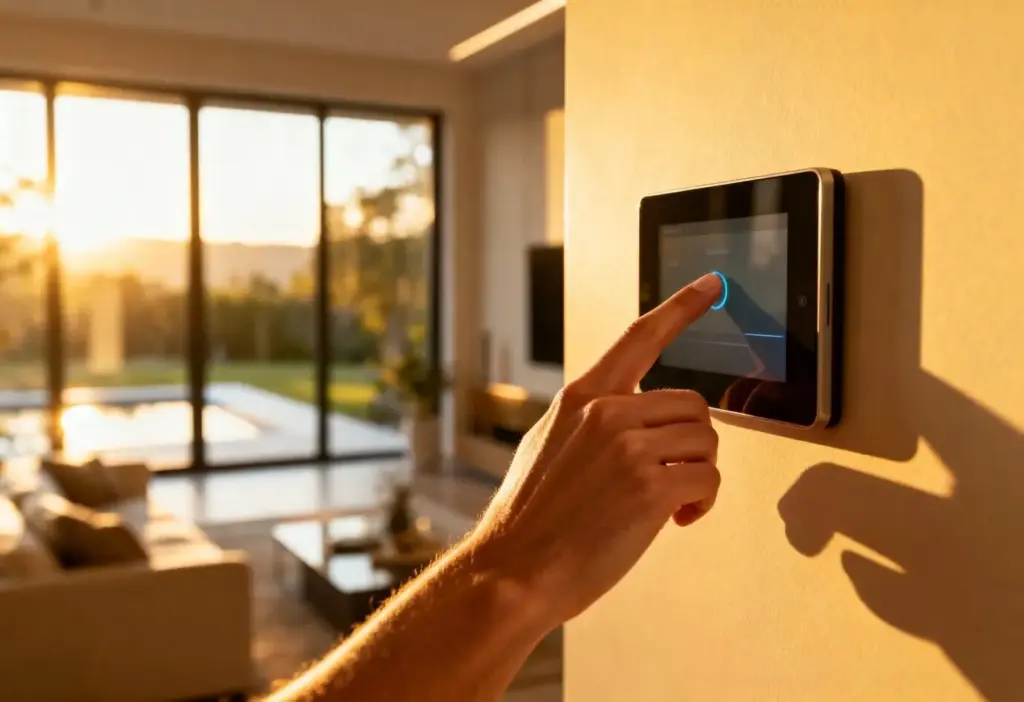
Plan ambient, task, and accent lighting like a conductor arranging a score. Warm-dim LEDs at 2700–3000K create glow without glare, while a focused sconce turns a corner into a reading nook. Use micro-recessed downlights sparingly, then let cove lighting wash walls for height. In one 320-square-foot studio, a single uplight behind a velvet sofa made ceilings feel taller by night. Program scenes for cooking, relaxing, and welcoming guests, and remember daylight framing is free luxury.

Material Alchemy: Stone, Metal, and Velvet

Luxurious textures earn their keep when selected with restraint. Large-format porcelain that mimics veined marble reduces grout lines and keeps maintenance civilized, while brushed brass reads warm against smoked mirror. Add mohair or velvet on a small bench for tactile richness without crowding. Control pattern scale to avoid visual chatter; larger slabs and continuous veining feel expensive. A single ribbed detail, like fluted drawer fronts, creates shadow play, depth, and softness across a compact elevation.

Negative Space as a Feature

Elegance often emerges from what you choose not to fill. Leave breathing room around a hero piece, float a vanity to reveal floor continuity, and carve shadow gaps instead of bulky baseboards. Minimalist reveals around doors modernize older apartments without invasive work. In a narrow hallway, one empty wall transformed circulation from cramped to gallery-like. Accentuate the quiet with a slim picture light or a single branch arrangement. Luxury, here, arrives through restraint and patience.

Storage That Disappears
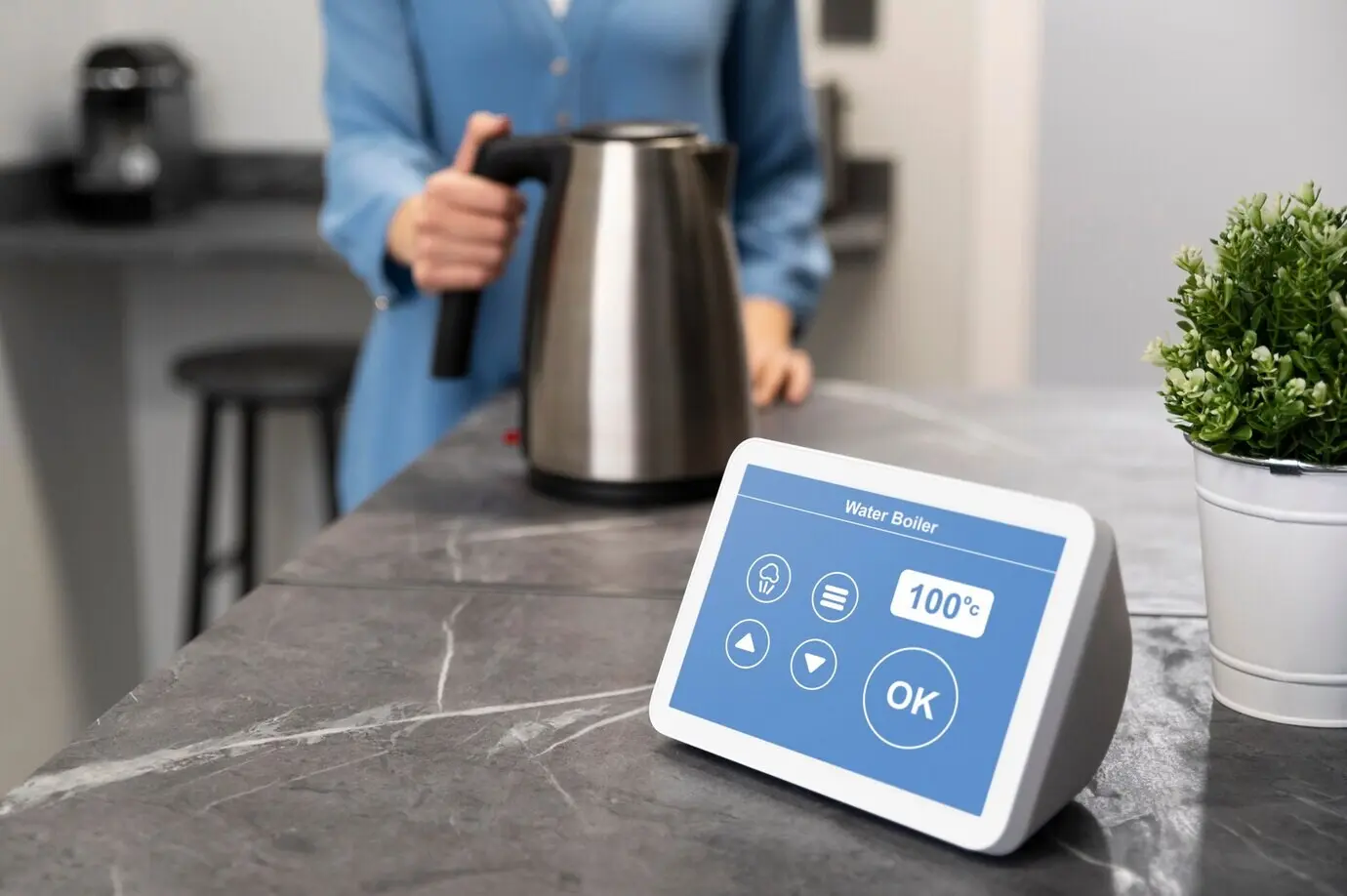
Hidden capacity is the backbone of refined compact living. Full-height millwork, grain-matched veneers, and push-latch doors conceal the daily bustle behind a serene façade. Build toe-kick drawers for trays and cleaners, then stretch vertical storage into every believable cavity. Conceal utilities within carefully vented panels and treat closet interiors like boutique displays. Light the insides so finding items feels effortless. The goal is to host life’s necessities while the room reads calm, balanced, and impeccably tailored.

Color, Texture, and Finish for Radiant Depth

A refined palette amplifies light while embracing warmth. Choose paints with high Light Reflectance Values, then temper clinical brightness with creamy undertones. Pair soft limestone hues with natural oak for grounded calm. Balance matte plaster walls against polished stone, allowing surfaces to converse quietly. Metals should coordinate, not compete; choose a primary finish and an accent used sparingly. Thoughtful variation—ribbed glass, boucle, satin brass—adds depth without chaos. The result is softness, glow, and enduring elegance.
Start with off-whites and mushroom tones that bounce daylight rather than swallow it. Aim for LRV above eighty on main walls, then introduce a shade deeper on cabinetry for subtle definition. Natural oak floors or limed ash ground the palette, keeping things tactile. A whisper of taupe in textiles prevents sterility. In a north-facing studio, this approach invited warmth year-round without heavy color. The eye reads continuous surfaces, and the space feels quietly expansive and welcoming.
Contrast finish qualities, not loud colors. Combine honed stone with lacquered panels, glass with velvet, and microcement with silk-wool rugs for nuanced layering. Limit yourself to three textures per view to maintain clarity. Ribbed glass sliders blur clutter while refracting light. Knurled brass adds grip and sparkle at touchpoints. In one micro-loft, matte limewash beside polished niche shelves created gallery-like depth. The interplay suggests investment and care, allowing modest square footage to whisper sophistication.
Treat handles, taps, and switches as the accessories that finish an outfit. Choose solid, weighty pieces—unlacquered brass or blackened bronze—that improve with patina. Align backplate sizes for rhythm, and keep finishes consistent across rooms to reduce visual noise. If you mix, mix texture rather than color: brushed and knurled within the same family. A single sculptural pull on a pantry becomes a focal point. Every touch should feel deliberate, satisfying, and quietly luxurious.

Jewel-Box Kitchens and Baths

Compact culinary and bathing spaces can deliver astonishing indulgence when every decision supports ritual. Integrate appliances, stretch backsplashes slab-to-ceiling, and rely on frameless glass to extend sightlines. Use large-format tiles to minimize grout and clean-up. Build niches where bottles disappear and keep counters nearly bare. A warmed towel, a silent drawer glide, and thoughtfully lit prep zones make daily routines feel special. The goal is not excess, but precision and pleasure in the essentials.

Responsible Materials That Age Gracefully
Select products that look better with time: solid brass, oiled oak, and dense wool rugs. Avoid disposable trends that require early replacement. Engineered cores free of added formaldehyde and waterborne finishes reduce off-gassing. In a micro-renovation, a porcelain counter prevented etching drama while still delivering veined elegance. Reuse what you can—reface sound cabinet carcasses and donate salvage. Sustainability is stewardship and restraint, aligning beautifully with the minimal visual noise that small luxury spaces deserve.

Passive Comfort Strategies

Work with the building before adding gadgets. Capture cross-ventilation by aligning openings, use thermal curtains at night, and add high-performance window film on hot exposures. Light, breathable fabrics keep spaces cool without bulk. Rugs insulate over chilly slabs. A soft, warm palette calms north light, while reflective paints lift dim corridors. In one apartment, swapping heavy blinds for top-down cellular shades balanced privacy and daylight. Comfort, achieved passively, feels effortless and beautifully considerate of constraints.

Budgeting for Maximum Impact

Allocate funds where hands and eyes linger: counters, faucets, hardware, and lighting. Save on carcasses, drawer interiors, and painted walls. Phase work to minimize disruption and spread cost. Expect the unexpected with a contingency, and clarify building rules to avoid delays. Source remnants for stone shelves and consider sample-sale fixtures. Track lead times closely. Share your priorities with your contractor early; honesty yields smarter value engineering that preserves elegance while protecting your daily routine.
Rarozihonazizakezaneti
Privacy Overview

This website uses cookies so that we can provide you with the best user experience possible. Cookie information is stored in your browser and performs functions such as recognising you when you return to our website and helping our team to understand which sections of the website you find most interesting and useful.